Veterinary Clinic
What Is the Average Size of a Veterinary Clinic?
Veterinary clinic size is one of the most important decisions practice owners make, and one of the easiest to underestimate. A facility that is too small can limit growth, strain staff workflows, and create compliance challenges. A space that is too large can inflate costs and reduce operational efficiency. At Blue Frog, based in Athens and serving nationwide, we help veterinary professionals plan facilities that are sized correctly from day one and built to support how their practices actually operate.
This Article will address
- What the average size of a veterinary clinic is and why it varies
- How much space is typically needed per exam room and treatment area
- How clinic size changes by practice type, including general, emergency, and specialty
- Standard dimensions for surgical suites and kennel areas
- What spaces are typically included in a well-planned veterinary clinic
- The key factors that determine the right clinic size for long-term success
What Is the Average Size of a Veterinary Clinic?
The average size of a veterinary clinic typically ranges from 2,500 to 6,000 square feet, depending on the services offered, staffing levels, and long-term growth plans. Smaller clinics focused on routine wellness care may fall closer to the lower end of that range, while full-service practices with surgery, imaging, and hospitalization often require more space.
There is no single “correct” size for every clinic. The true average depends on scope, not just industry norms. Factors such as exam room count, treatment capacity, equipment needs, and patient volume all influence how much space is required. Early planning is critical. Clinics that size their facilities only for current needs often outgrow their space faster than expected, leading to costly renovations or relocations.
As a design-build partner, Blue Frog helps veterinary practices right-size their facilities by aligning square footage with operations, compliance requirements, and future expansion goals.
Average Veterinary Clinic Size by Practice Type
General Practice Veterinary Clinics
General practice clinics typically range from 2,500 to 4,500 square feet. These facilities are designed to support preventive care, diagnostics, minor procedures, and basic surgery.
Common characteristics include:
- 4 to 6 exam rooms
- Centralized treatment area
- One surgical suite
- Limited short-term kennel or recovery space
The size of a general practice clinic is often driven by the number of doctors, daily appointment volume, and whether services such as dental procedures or in-house diagnostics are offered.
Emergency and Urgent Care Veterinary Clinics
Emergency and urgent care clinics usually require 4,500 to 8,000 square feet or more. These practices operate for extended hours and manage higher patient turnover and acuity levels.
Expanded space is needed for:
- Larger treatment and triage areas
- Additional exam rooms
- Overnight kennels and ICU capabilities
- Staff support and on-call areas
The operational demands of emergency care make efficient circulation and clear separation of functions essential, which increases overall square footage requirements.
Specialty and Referral Veterinary Clinics
Specialty and referral clinics often exceed 6,000 square feet and can grow significantly larger depending on services offered. Advanced equipment and specialized procedures require additional support spaces.
These clinics typically include:
- Multiple surgical suites
- Advanced imaging such as CT or MRI
- Specialty treatment rooms
- Expanded prep, recovery, and storage areas
Because of their complexity, specialty clinics often exceed national averages and require careful planning to balance functionality, compliance, and patient flow.
How Much Space Is Needed per Exam Room or Treatment Area?
An individual veterinary exam room typically requires 120 to 150 square feet. This allows adequate space for patient exams, staff movement, equipment, and client comfort without overcrowding.
Treatment areas are larger and more flexible, often ranging from 300 to 600 square feet or more, depending on patient volume and staffing. These areas must support multiple procedures simultaneously and provide clear access to surgery, imaging, and recovery spaces.
Room count is closely tied to the number of doctors and appointment volume. A well-designed clinic ensures that exam rooms and treatment areas are positioned to minimize travel distances, reduce bottlenecks, and support efficient workflows throughout the day.
What Are the Standard Dimensions for Kennels and Surgical Suites?
Surgical Suite Size Planning
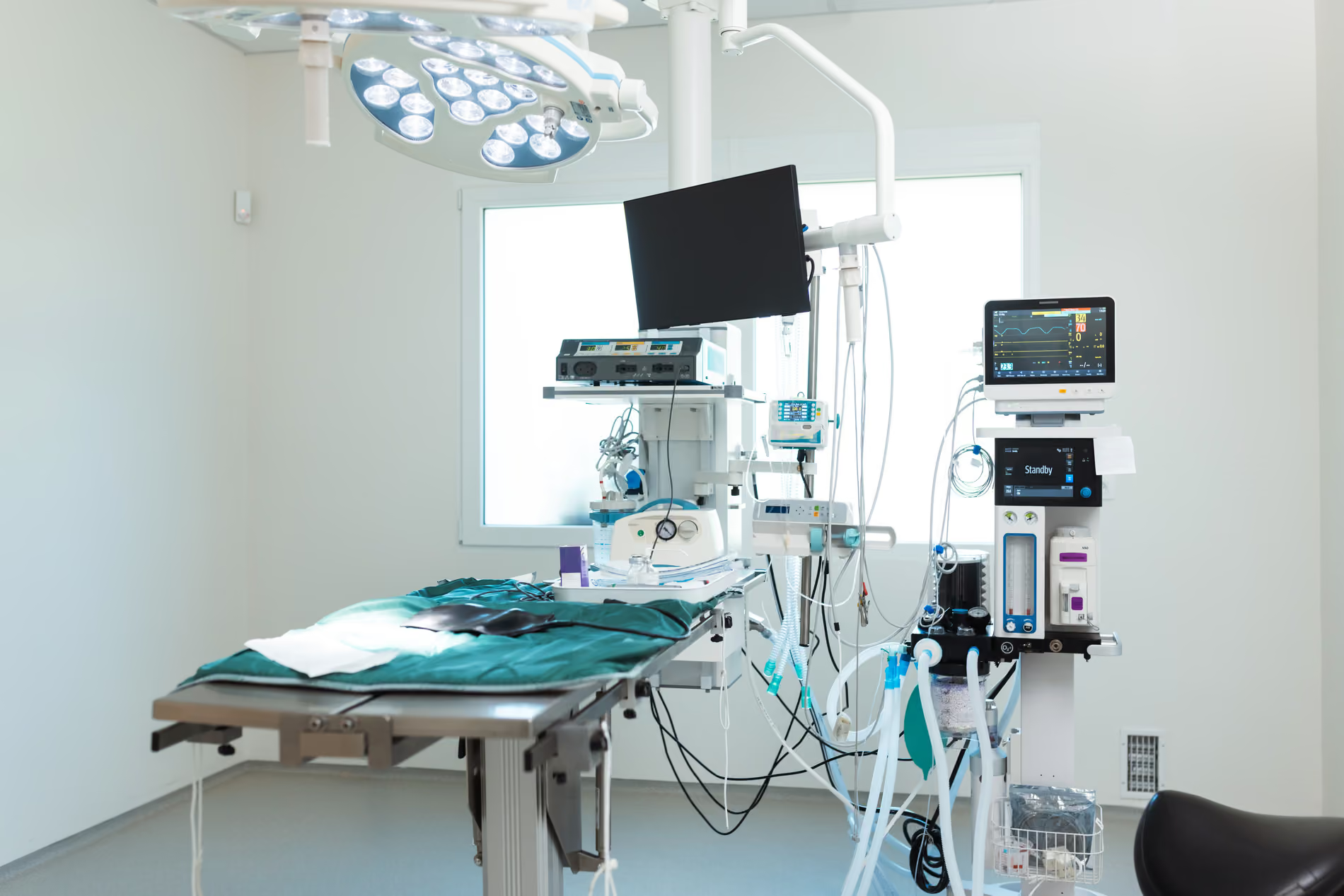
A typical veterinary surgical suite ranges from 300 to 400 square feet. This includes space for surgical tables, anesthesia equipment, monitoring devices, and staff circulation.
Additional supporting spaces often include:
- Scrub and prep areas
- Sterile storage
- Recovery areas located nearby
Compliance, infection control, and workflow efficiency all influence surgical suite design. Proper sizing helps maintain safety standards while allowing teams to work effectively.
Kennel and Holding Area Dimensions
Kennel and holding areas vary widely based on whether the clinic offers short-term recovery, hospitalization, or boarding. Individual kennel runs typically range from 12 to 20 square feet, with additional clearance for access and cleaning.
Key considerations include:
- Separation of dogs and cats
- Isolation areas for contagious patients
- Adequate ventilation and noise control
The more overnight care or boarding a clinic provides, the greater the impact kennel space has on the overall facility footprint.
What Spaces Are Typically Included in a Veterinary Clinic Layout?
Most veterinary clinics include a combination of the following spaces, each contributing to total square footage needs:
- Reception and waiting areas
- Exam rooms
- Treatment and procedure areas
- Surgical suites
- Imaging and diagnostic spaces
- Pharmacy and laboratory areas
- Kennels and recovery rooms
- Staff offices and break rooms
- Storage and mechanical rooms
Balancing these spaces is essential. Oversizing one area can limit flexibility elsewhere, while undersizing critical functions can disrupt daily operations.
What Factors Determine the Right Size for a Veterinary Clinic?
Several key factors influence how large a veterinary clinic should be:
- Service mix and specialty offerings
- Number of doctors and support staff
- Appointment volume and hours of operation
- Future growth and expansion goals
- Equipment and technology requirements
- Zoning, parking, and permitting considerations
While local regulations and site conditions vary, planning with these factors in mind helps clinics avoid costly changes later. Blue Frog brings experience navigating these considerations for practices nationwide, with roots based in Athens.
How Design and Construction Choices Impact Veterinary Clinic Size
Build versus renovation decisions can significantly impact usable square footage. Renovations may involve structural constraints that limit layout efficiency, while ground-up construction allows for optimized planning from the start.
Early test fits and layout planning help identify inefficiencies before construction begins. Blue Frog’s integrated design-build approach brings architects and construction professionals together early in the process, helping practices make informed decisions that protect both budgets and timelines.
Planning the Right Veterinary Clinic Size Starts with the Right Partner
There is no one-size-fits-all answer to veterinary clinic size. The right facility is one that supports daily operations, meets regulatory requirements, and allows room for future growth without unnecessary overhead.
Blue Frog is an experienced veterinary design-build partner based in Athens, serving nationwide. Our team works closely with practice owners to plan, design, and build veterinary facilities that function efficiently and stand the test of time. To discuss right-sizing your veterinary clinic and planning your next project, contact Blue Frog through our contact form.
Sources