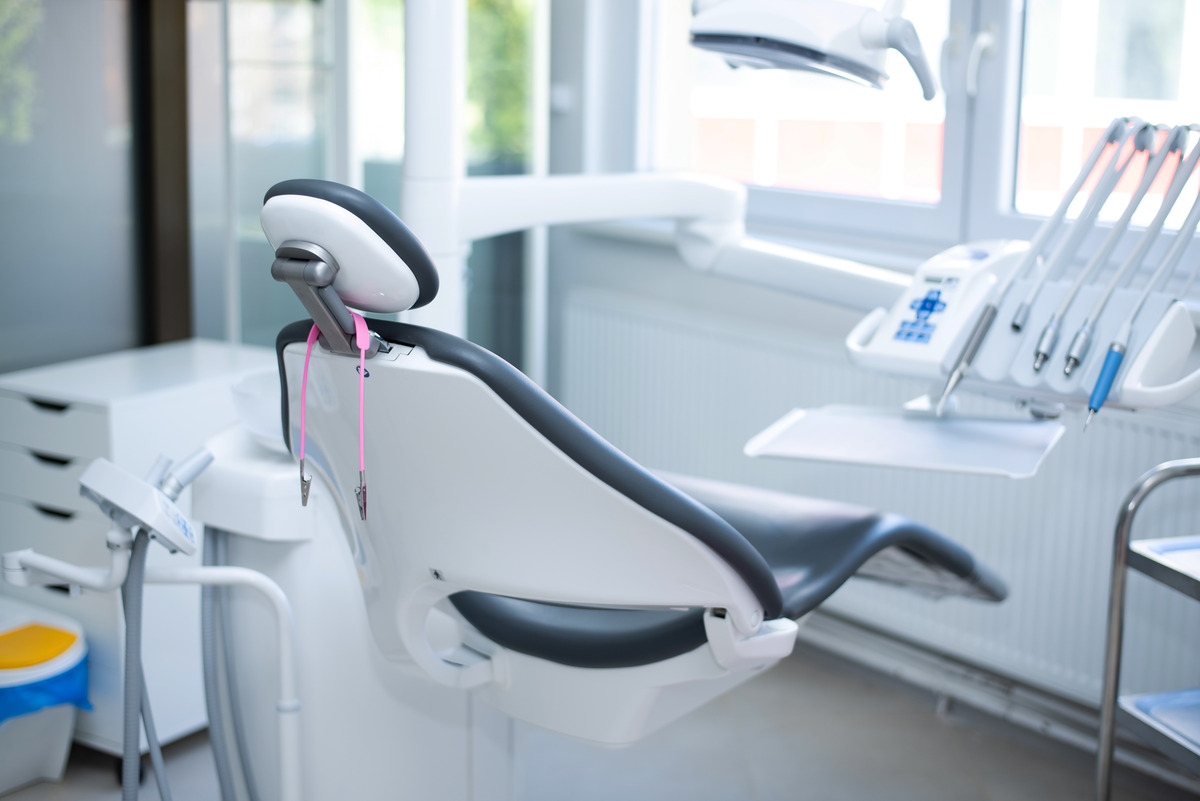
Dental Office
How Much Does It Cost to Build a Dental Office From the Ground Up?
Building a dental office from the ground up is a major investment, and the final cost depends on far more than square footage. Site conditions, location, building size, operatories, dental equipment, utility access, permitting, materials, labor, and long-term growth goals all influence the total budget.
Unlike a tenant buildout or renovation, a ground-up dental office may include site work, shell construction, utility coordination, parking, stormwater planning, dental-specific infrastructure, interior finishes, equipment planning, and final inspections. Because each project is different, the most accurate dental office construction cost comes from early planning with a team that understands both design and construction.
Blue Frog, based in Watkinsville, GA, serving nationwide, helps dental professionals plan, design, and build spaces that support clinical workflow, patient experience, compliance, and long-term practice growth.
This Article will address
- How much it may cost to build a dental office from the ground up
- What is included in a full dental office construction budget
- How hard costs and soft costs compare
- Why location and site conditions affect pricing
- What unexpected costs dentists should plan for
- How a design-build partner can help control costs early
How Much Does It Cost to Build a Dental Office From the Ground Up?
There is no universal price for ground-up dental office construction. A smaller general dental office with standard finishes and fewer operatories will have a different budget than a larger multi-provider practice with advanced imaging, specialty equipment, expanded clinical space, and complex site requirements.
The total cost is shaped by the size of the building, the condition of the property, local permit requirements, labor and material costs, dental equipment, and the level of customization needed. For that reason, dentists should be careful with generic cost-per-square-foot estimates. They can be helpful early on, but they rarely include the full picture.
A realistic budget should account for land-related needs, building construction, dental-specific infrastructure, design, permits, equipment coordination, technology, finishes, and contingency planning.
Why Is Ground-Up Dental Office Construction Different From a Tenant Buildout or Renovation?
Ground-up construction means building a new facility from the site level up. This can include grading, utilities, drainage, parking, exterior construction, interior construction, and dental-specific systems.
A tenant buildout usually takes place inside an existing commercial shell. A renovation updates or reworks an existing building or practice. Blue Frog supports ground-up builds, tenant improvements, and renovations, but the budgeting process is different for each.
Ground-up projects often require more upfront planning because the site itself can create the biggest cost variables. Zoning, stormwater requirements, utility access, grading, parking, and local municipality feedback can all affect the final budget and timeline.
What Is Included in a Full Dental Office Construction Budget?
A full dental office construction budget should include the visible building as well as the planning, systems, and details needed to open the practice successfully.
A complete budget may include:
- Site evaluation and test-fit planning
- Architectural design and engineering
- Permitting and jurisdictional review
- Site work, grading, drainage, and utilities
- Building shell construction
- Plumbing, electrical, HVAC, and mechanical systems
- Dental-specific infrastructure
- Sterilization and clinical workflow planning
- X-ray shielding and imaging requirements
- Cabinetry, finishes, flooring, and lighting
- Dental equipment coordination
- Technology and IT infrastructure
- Furniture, signage, and exterior details
- Inspections, approvals, and contingency planning
Blue Frog’s in-house design-build model helps connect design decisions with real construction considerations early. This helps dentists understand how the plan, site, equipment, and budget work together before construction begins.
How Do Soft Costs, Such as Permits and Design, Compare to Hard Costs, Such as Materials and Labor?
Hard costs are the physical construction expenses. These may include labor, materials, site work, utilities, the building structure, mechanical systems, electrical work, plumbing, interior construction, and dental-specific construction elements.
Soft costs are the planning, professional, and approval-related expenses. These may include architectural design, engineering, permitting, surveys, insurance, financing-related costs, legal review, and project coordination.
Hard costs usually make up the largest portion of a dental office construction budget, but soft costs are still essential. They help determine whether the project can be approved, built correctly, and aligned with the owner’s goals. When design and construction teams work separately, gaps can appear between the design vision and the actual budget. Blue Frog’s design-build process helps reduce that disconnect.
What Dental-Specific Costs Should Be Included in the Budget?
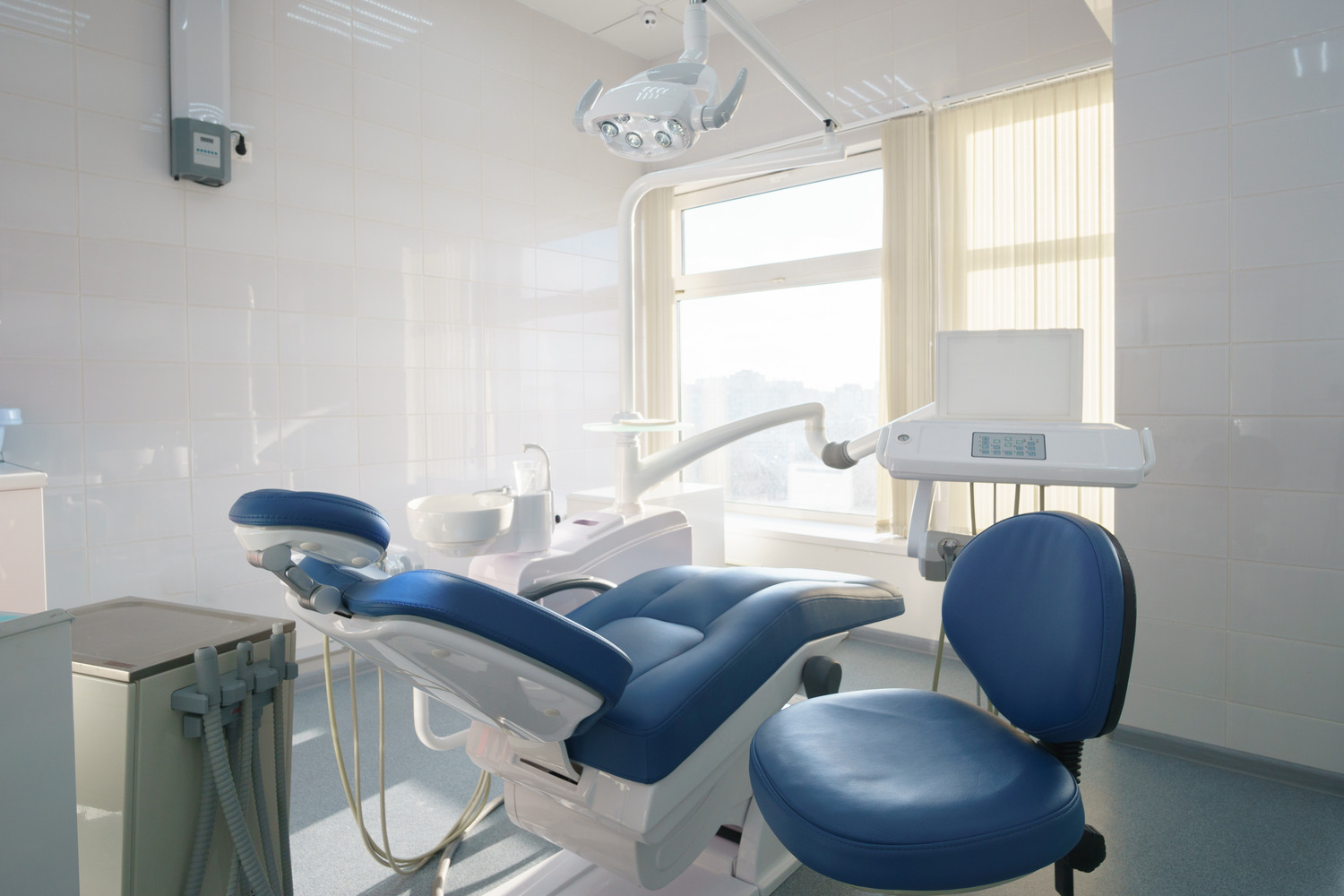
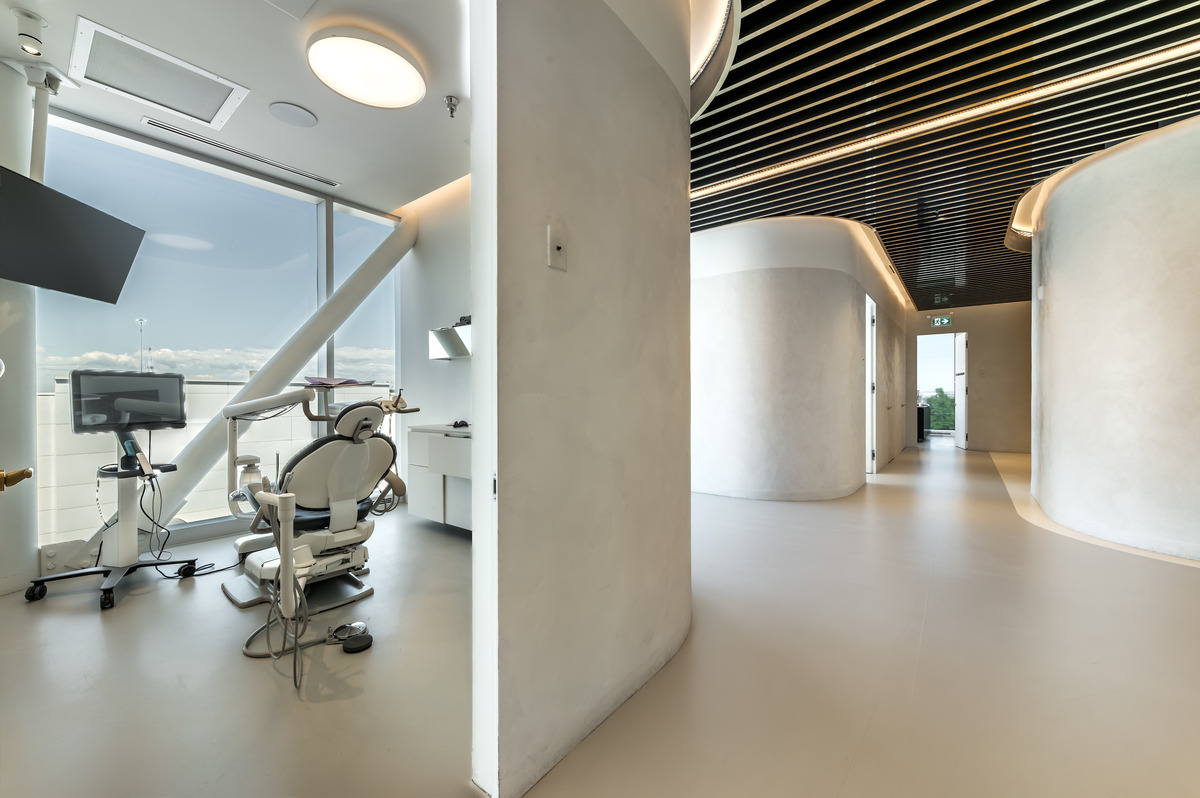
A dental office is not a standard commercial space. It needs to support clinical care, infection control, equipment, compliance, patient comfort, and staff efficiency.
Dental-specific costs may include:
- Operatory layout
- Sterilization room planning
- Dental plumbing
- Compressed air systems
- Vacuum systems
- X-ray shielding
- Imaging equipment coordination
- Lab or support areas
- Dental cabinetry
- Durable clinical flooring
- Technology and software infrastructure
- Patient flow and staff workflow planning
The number of operatories is one of the most important planning decisions. A practice designed for one provider today may need room for additional providers, hygiene growth, specialty care, or future expansion. Planning equipment, imaging, sterilization, and utilities early can help avoid expensive changes later.
How Do Location and Site Conditions Affect the Cost to Build a Dental Office?
Location affects construction cost because labor rates, material availability, local codes, permit timelines, and utility access vary by market. Site conditions can also create major budget differences.
Common site-related cost factors include:
- Soil conditions
- Grading
- Drainage and stormwater management
- Parking requirements
- Utility availability
- Local zoning
- Access points and traffic flow
- Civil engineering needs
- Municipality requirements
For ground-up projects, early site research is valuable. Blue Frog may perform test-fit planning and basic zoning or permitting research to help determine whether a site can support the desired layout. A formal feasibility study may be helpful when a doctor is deciding whether to purchase a specific property, but it is not required for every project.
What Unexpected Costs Should I Budget for When Building a Dental Office?
Unexpected dental office construction costs often come from site conditions, permit delays, utility upgrades, equipment changes, late design changes, inspections, or long-lead materials.
Dentists should plan for possible costs related to:
- Utility upgrades
- Stormwater or drainage requirements
- Site grading or soil issues
- Parking or access changes
- ADA compliance adjustments
- X-ray shielding changes
- Equipment changes after design is complete
- Delayed permits
- Inspection-related corrections
- Furniture, signage, and technology additions
- Working capital during the opening period
- Contingency budget
The best way to reduce surprises is to clarify the scope early, coordinate equipment before construction begins, and involve a design-build team that understands dental construction requirements.
How Can Dentists Control Dental Office Construction Costs Without Cutting Corners?
Controlling cost does not mean choosing the cheapest option. It means making informed decisions early and avoiding preventable changes.
Dentists can help control costs by choosing the right site, planning the right number of operatories, using an efficient floor plan, coordinating equipment early, aligning design decisions with the budget, and keeping permitting and construction communication organized.
Blue Frog’s design-build approach brings architecture, construction, permitting coordination, and client support together from the beginning. This connected process helps identify potential issues earlier and keeps the project aligned with the dentist’s goals.
How Long Does It Take to Build a Dental Office From the Ground Up?
Cost and timeline are closely connected. Delayed permits, long-lead materials, site issues, or late decisions can affect both the budget and the opening date.
While every project is different, Blue Frog’s general timeline guidance includes:
- Design: 3 to 6 months
- Permitting: 2 or more months, depending on the jurisdiction
- Ground-up construction: 6 to 9 months
- Tenant buildout: around 3 months
- Existing building renovation: 3 to 6 months
Practice integration and final inspections are generally part of the overall construction timeline, not a separate process.
What Questions Should Dentists Ask Before Building a Dental Office?
Before building a dental office from the ground up, dentists should ask:
- How many operatories do we need now and later?
- Are we building for general dentistry, specialty care, or multi-provider growth?
- What equipment must be included from day one?
- What equipment can be planned for future expansion?
- Does the site support the desired building footprint?
- What are the local zoning and permitting requirements?
- How will patient flow, staff flow, and sterilization flow work?
- What is our realistic budget range?
- Who will coordinate design, construction, permitting, and equipment planning?
These questions help create a more accurate dental office construction budget and reduce the risk of expensive changes later.
Why Work With Blue Frog for Ground-Up Dental Office Construction?
Building a dental office is about more than creating a building. It is about creating a space where providers can work efficiently, patients can feel comfortable, and the practice can grow with confidence.
Blue Frog offers a true design-build model with in-house architectural design support, healthcare construction experience, dental-specific planning, permitting coordination, and client concierge support. Our team helps dental professionals plan functional, compliant, brand-aligned spaces that support both immediate needs and long-term goals.
Based in Watkinsville, GA, serving nationwide, Blue Frog helps dentists move from early ideas to a well-planned, functional dental office.
Plan Your Ground-Up Dental Office Build With Blue Frog
The cost to build a dental office from the ground up depends on site conditions, location, building size, equipment, design, permitting, hard costs, soft costs, and contingency planning. Reviewing these details early can help protect the budget, timeline, and final result.
To start planning your ground-up dental office build, contact Blue Frog through the online form.