Commercial Construction
What Are the Phases of a Commercial Construction Project?
Every successful build begins with a clear plan. At Blue Frog, based in Watkinsville and serving clients nationwide, we take pride in guiding our partners through each stage of the commercial construction process. From full in house design to final inspections, our design-build approach keeps your project organized, efficient, and focused on your goals.
Whether you are developing a veterinary hospital, dental practice, medical clinic, or commercial facility, understanding these phases helps you make confident, informed decisions.
This Article Will Address
- What are the main phases of a commercial construction project?
- What happens during the pre-construction phase?
- What is the difference between rough-in and finish work?
- How does project closeout work in commercial builds?
Understanding the Phases of a Commercial Construction Project
Every commercial construction project moves through several key stages that determine its success. At Blue Frog, our fully integrated design-build model ensures each phase works seamlessly together, reducing delays and simplifying communication.
Here’s how the process typically unfolds:
- Planning: The foundation for any project begins here. This phase assesses the site, budget, and regulations to ensure the project is viable before committing resources.
- Design and Pre-Construction: Our in-house architects and engineers develop detailed plans, finalize scope and cost, and coordinate permitting to bring your vision to life.
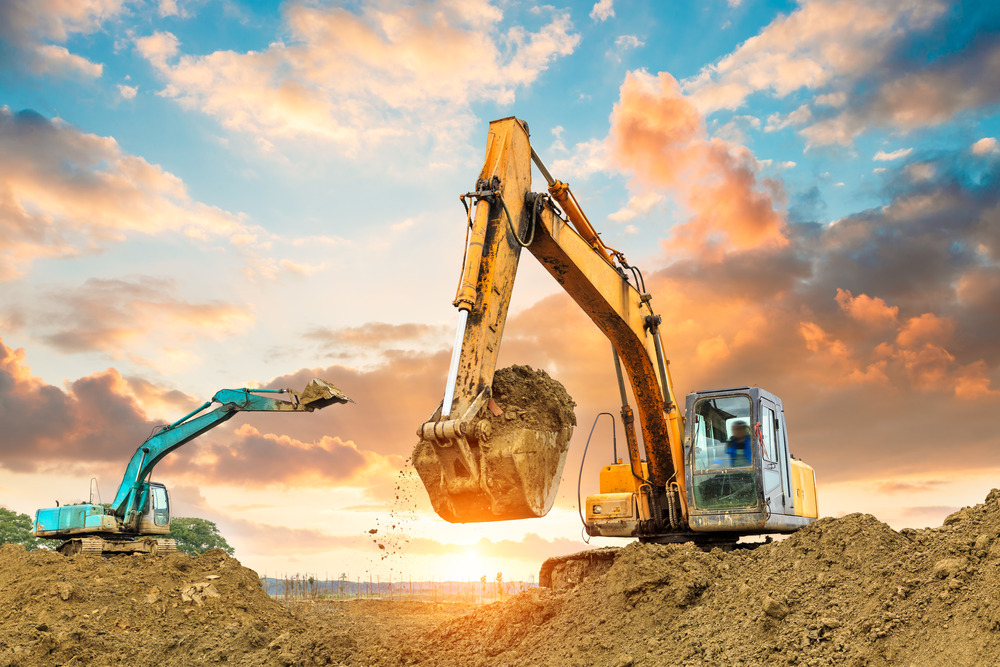
- Procurement and Mobilization: Once the plans are approved, our team orders materials, schedules trades, and prepares the site for work to begin.
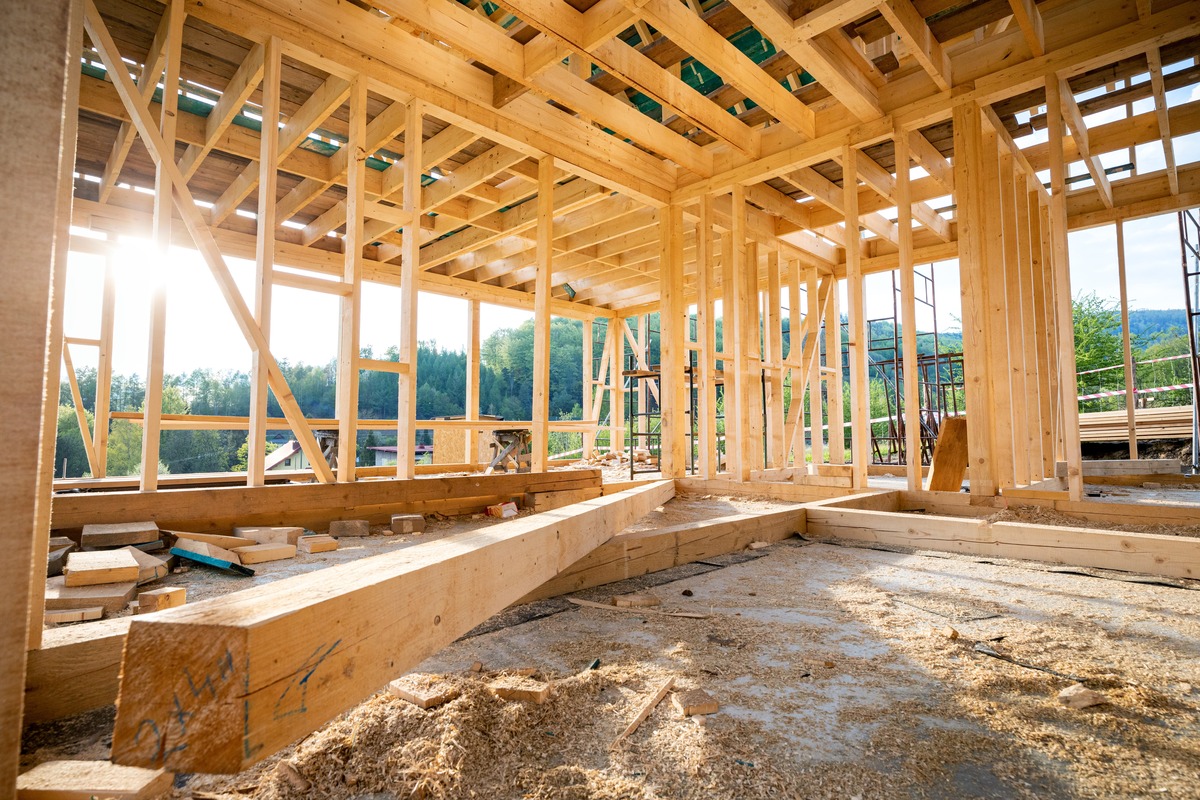
- Construction and Rough-In Work: During this phase, our skilled trades complete the structure, electrical, plumbing, and HVAC systems that form the building’s core.
- Finishing and Closeout: The final stage includes interior finishes, inspections, and occupancy approvals.
While these steps are common across the industry, Blue Frog’s integrated process combines them under one roof—delivering faster timelines, better coordination, and a smoother experience from start to finish.
What Happens During the Pre-Construction Phase?
Pre-construction is where planning turns into action. It’s the stage where your project’s blueprint, budget, and schedule come together to form a solid plan for success.
At Blue Frog, we approach pre-construction with precision and collaboration. Key elements include:
- Site Evaluation to confirm that the chosen property supports your design and business needs.
- Budgeting and Cost Estimation to align expectations and prevent overruns later.
- Permitting and Code Review managed by our dedicated permitting coordinator to ensure full compliance.
- Scheduling and Project Sequencing that strategically plans each step for efficiency.
- Value Engineering to balance design aspirations with budget goals.
- Procurement and Hard Pricing our dedicated Estimation and Procurement team send the final plan set out to get hard numbers from trade partners and make quality trade partner selections
- Coordination Among Teams where our architects, engineers, and project managers work in sync to keep communication clear and consistent.
With a client concierge as your main point of contact, you’ll always have someone advocating for your goals and ensuring the process stays on track from the start.
What Is the Difference Between Rough-In and Finish Work?
Many owners are familiar with visible progress but not always with the technical work that happens behind the walls.
Rough-In Work includes installing the mechanical, electrical, and plumbing systems that power your space. This stage involves running wires, pipes, and ductwork before drywall and finishes are added.
Finish Work, on the other hand, brings your facility to life. It includes flooring, paint, fixtures, lighting, cabinetry, and final detailing.
At Blue Frog, our dedicated on site Superintendents serve as quality control managers and oversee both stages closely. We ensure that the unseen systems are built to last and that the finished environment reflects your brand and operational needs. Getting these details right the first time saves time, money, and stress later.
How Does Project Closeout Work in Commercial Builds?
The final phase of any commercial project is closeout—a structured process that confirms the building is ready for occupancy and ongoing operations.
This stage includes:
- Final Walkthrough and Punch List: Ensuring every item is completed to your satisfaction.
- Commissioning and Systems Testing: Verifying that electrical, plumbing, HVAC, and specialty systems perform as designed.
- Permitting and Occupancy Certification: Coordinating with local authorities to secure final approvals.
- Documentation Handoff: Delivering warranties, operational manuals, and close-out documents.
- Transition to Operations: Helping your team integrate equipment, technology, and workflow systems.
Unlike traditional contractors, Blue Frog integrates practice setup and transition support into this phase. Equipment orders, software setup, and workspace optimization happen alongside construction, allowing you to open your doors faster and with confidence.
Additional FAQs for Project Owners
How Long Does Each Construction Phase Take?
Timelines vary based on project size and complexity, but general estimates include:
- Design: 3–6 months
- Permitting: 2+ months
- Tenant Build-Out: 3 months
- Renovations: 3–6 months
- Ground-Up Construction: 6–9 months
Blue Frog’s accelerated timelines result from close coordination between design and construction teams, reducing the typical lag between phases seen with traditional build models.
Who Is Involved at Each Stage?
Each phase includes collaboration between architects, engineers, contractors, inspectors, and owners. With Blue Frog’s in-house team, communication is streamlined and accountability is clear—your dedicated project lead manages every moving part so you don’t have to.
What Factors Can Affect Project Timelines or Costs?
Several variables can influence your project’s pace and pricing, including:
- Weather or environmental conditions
- Supply chain fluctuations
- Permitting delays
- Change orders or design modifications
Our proactive pre-construction process identifies these risks early, minimizing surprises and keeping your project on budget.
Why Choose Blue Frog for Your Commercial Construction Project?
Choosing the right construction partner makes all the difference. At Blue Frog, we are more than builders—we’re your strategic design and development partner.
Here’s why businesses across the country trust us:
- True In-House Design-Build Model: Architecture, engineering, and construction under one roof.
- Specialized Industry Knowledge: Experience building veterinary, dental, medical, and commercial facilities.
- Accelerated Timelines: Projects delivered faster without sacrificing quality.
- Dedicated Client Advocate: A single point of contact from start to finish.
- Proven Track Record: On-time, on-budget builds that align with your business goals.
Ready to start your next project? Contact Blue Frog, based in Watkinsville and serving nationwide, to discuss your vision. Schedule your consultation today.
Sources
- JRM Construction Management. The Commercial Construction Process. March 2025.
- Procore. Construction Project Management Phases. July 2025.
- Division 9. The 7 Stages of Every Commercial Construction Project. September 2023.