Commercial Construction
How Long Does Commercial Construction Take? Understanding Timelines for Commercial Projects
Commercial construction is a major investment, and for many business owners, the first question is often the most practical one: How long will it take? While the answer depends on the size of the project, the type of facility, and the permitting requirements in your region, most commercial builds fall somewhere between six and eighteen months from the start of design to the completion of construction.
At Blue Frog, we guide clients through every stage of this process with clarity and confidence. Our true design-build model, in-house teams, and dedicated permitting coordination help reduce delays and streamline communication. Based in Watkinsville and serving nationwide, we support medical, dental, veterinary, and commercial professionals who want a predictable, well-managed construction experience. To begin planning your project, we encourage you to reach out using our contact form.
This Article Will Address
- What factors influence a commercial construction timeline
- How each stage of the construction process works
- The impact of permitting on scheduling
- Average timelines for different project types
- Ways to keep a commercial construction project on schedule
- Frequently asked questions about commercial construction timelines
- Why Blue Frog is a trusted partner for commercial projects
What Factors Influence the Commercial Construction Timeline?
Commercial construction timelines vary because each project is unique. Several core factors determine how long the process will take.
- Project scope and size. Larger facilities require longer design and construction phases.
- Ground-up versus tenant improvement. Tenant build-outs move faster because the shell of the building already exists.
- Structural complexity. Multi-story buildings and specialized medical infrastructure add time.
- Regulatory requirements. Medical, dental, and veterinary environments have strict guidelines for safety, sterilization, radiation shielding, and patient flow.
- Permitting variations. Each jurisdiction operates on its own timeline, and municipal workloads can slow the process.
- Site conditions. Slope, soil quality, drainage requirements, and utility access influence schedule.
- Weather and regional climate. Heavy rain, extreme heat, and winter conditions can all extend construction time.
- Material availability. Lead times for specialty equipment and finishes can impact the build.
- Delivery method. A true design-build model, like the one Blue Frog uses, typically reduces delays and shortens the overall project schedule.
Understanding these elements at the start helps clients plan budgets, staffing, and long-term operational goals with greater confidence.
How Long Do the Stages of Commercial Construction Take?
Commercial construction follows a structured, multi-phase process. While every project is different, the stages below represent a typical timeline.
Design Phase (Typically 3 to 6 Months)
Design is the foundation of the entire build. During this phase, our in-house architecture team creates a plan that aligns with your operations, workflow, and brand.
- Test fits and conceptual layouts
- Site research and zoning review
- Full architectural drawings
- Integration of equipment lists and compliance requirements
Medical and dental spaces require detailed planning for sterilization, radiation control, exam room configurations, surgical flow, and accessibility. High-quality design sets the project up for a smooth transition into permitting and construction.
Permitting Phase (Typically 2 or More Months)
Permitting is one of the most common sources of delay in commercial construction. Every city and county follows its own approval process, and the timing can shift based on municipal workload, staffing, or code updates.
Blue Frog assigns a dedicated permitting coordinator to each project. This role helps prevent delays by ensuring applications are complete, accurate, and actively monitored. When permitting issues arise, proactive communication keeps the project moving.
If documents are incomplete or changes are required, permitting can extend by several weeks or months. Proper preparation is essential to stay on schedule.
Site Preparation and Pre-Construction (1 to 3 Months)
Once permits are approved, site work begins.
- Site evaluation
- Grading and utility planning
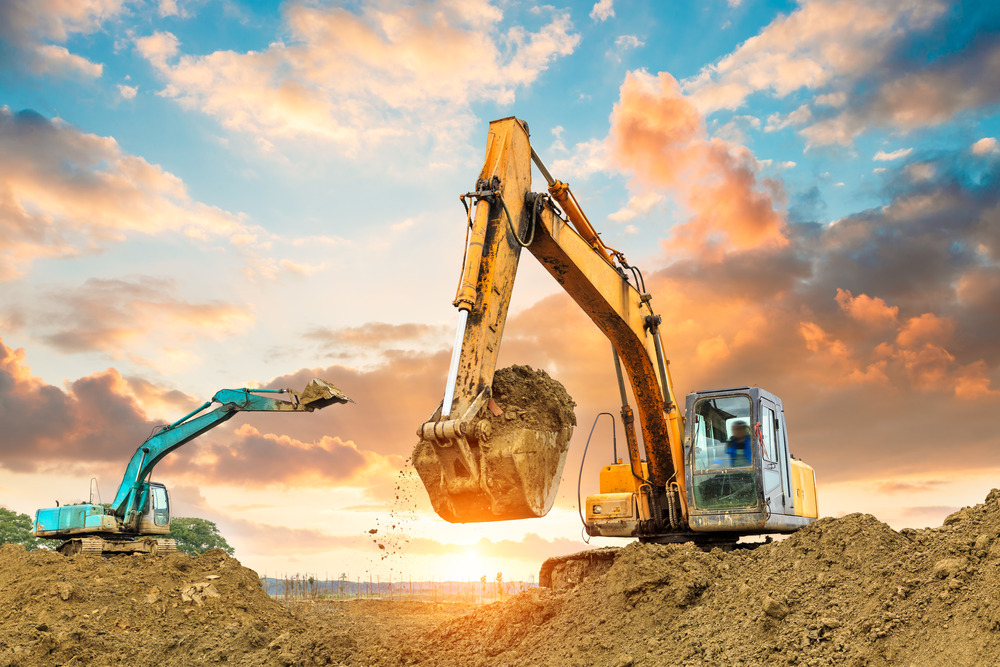
- Structural preparation
- Demolition when renovating an existing building
Ground-up projects typically require more site work than tenant improvements, especially if new utilities or infrastructure must be added.
Construction Phase (Timeline Varies by Project Type)
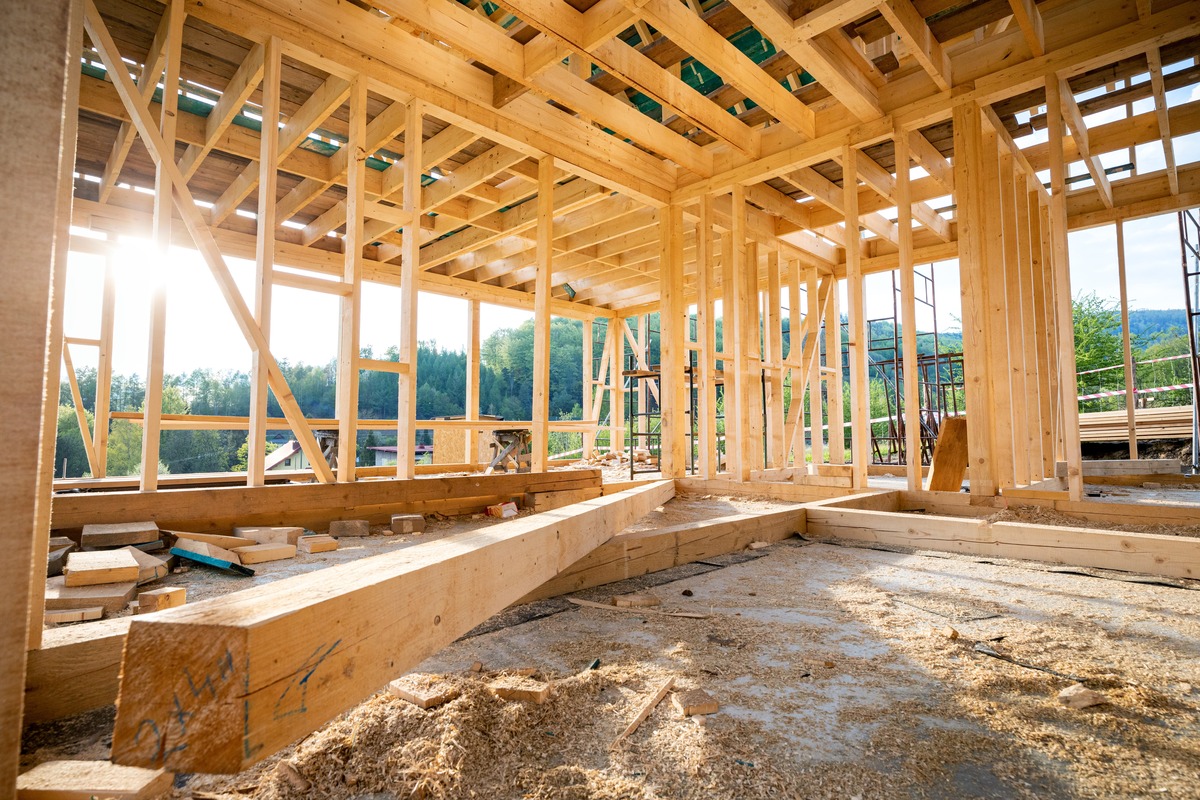
Construction length depends on the size of the building, the type of space, and how much specialized infrastructure is required. The next section provides detailed timelines for the most common project categories.
What Is the Average Duration for Different Types of Commercial Projects?
Timelines vary depending on whether you are building from the ground up, renovating an existing building, or completing a tenant build-out. Blue Frog uses the following ranges for planning and scheduling.
Tenant Build Outs (Typically 3 Months)
Tenant improvement projects offer the fastest path to completion. Because the structure already exists, our teams can focus on creating a functional, efficient layout tailored to your specialty.
This timeline works well for:
- General medical
- Dental
- Veterinary
- Dermatology
- Optometry
- Retail and commercial environments
Existing Building Renovations (3 to 6 Months)
Renovations take slightly longer than tenant build-outs because they often involve demolition, structural upgrades, and the integration of new mechanical, electrical, and plumbing systems. Healthcare facilities require additional considerations related to equipment, safety, and compliance.
Ground Up Construction (6 to 9 Months, Sometimes Longer)
Ground-up projects begin with a blank site and require full structural development. Timelines depend on:
- Site unpredictability
- Municipal requirements
- Infrastructure installation
- Specialized medical equipment and utilities
These projects take the longest but offer full control over layout, branding, and future growth.
What Are the Key Phases in a Commercial Construction Project?
Although timelines vary, nearly all commercial projects follow the same core phases.
Planning and Concept Development
This includes visioning, early site analysis, and high-level budgeting. A full feasibility study may be recommended for clients evaluating a property for a ground-up build, but it is not required for every project.
Architectural Design
Our architects work closely with clients to design a space that is both functional and compliant. Healthcare facilities require attention to sterilization room layouts, X-ray shielding, surgical flows, and exam room arrangements.
Engineering and Technical Drawings
Structural, mechanical, electrical, and plumbing systems are coordinated during this phase. Accuracy here reduces permitting delays and prevents change orders later.
Permitting and Approvals
Jurisdictions review drawings, verify code alignment, and issue approvals. Each municipality follows a unique process, making consistent communication essential.
Construction and Build Out
Trade partners mobilize to build the space. Quality control is a central part of Blue Frog’s process to ensure the finished facility matches the design intent.
Final Inspections and Practice Integration
While inspections may occur throughout the build, final inspections confirm code compliance. Practice integration includes equipment installation, systems testing, and layout adjustments to support staff workflow. These final steps happen within the overall construction timeline and are not separate phases.
How Can You Keep a Commercial Construction Project on Schedule?
Staying on schedule requires planning, communication, and a commitment to accurate documentation. The following practices help reduce delays:
- Partnering with an experienced design-build firm
- Reducing or avoiding change orders through clear planning
- Making timely decisions during design
- Relying on an in-house permitting and architectural team
- Using technology to keep communication central and accessible
- Working with Blue Frog’s Client Concierge, who advocates for your needs throughout the project
Our structure allows clients to move from concept to construction with fewer disruptions and clearer expectations.
Why Choose Blue Frog for Commercial Construction?
Blue Frog supports clients through every stage of commercial construction with a seamless design-build model. Our in-house architects, construction teams, and permitting coordinator work together to eliminate gaps in communication and reduce delays. With industry-specific expertise in medical, dental, veterinary, and commercial facilities, we deliver functional, compliant, and efficient spaces on time and on budget. Clients benefit from:
- A true design-build approach
- A dedicated Client Concierge
- Faster timelines than traditional bid build
- National project support
- A proven track record of on-time delivery
- A team aligned with your operational and branding goals
Start Your Commercial Project with Confidence
Commercial construction timelines vary based on size, scope, permitting, and project type, but the right partner makes the entire process more predictable. Blue Frog is based in Watkinsville and serves clients nationwide with a design-build model that reduces delays, enhances communication, and delivers high-performance facilities tailored to your specialty.
To start planning your project, fill out a contact form to connect with our team.